008 · May 30, 2026
Field Notes: NYCxDesign 2026
Notes from this year's NYCxDesign: the AI Summit at Cornell Tech, a Rolls-Royce fireside, and what the two had to say to each other.
- AI
- Principles
- Brand
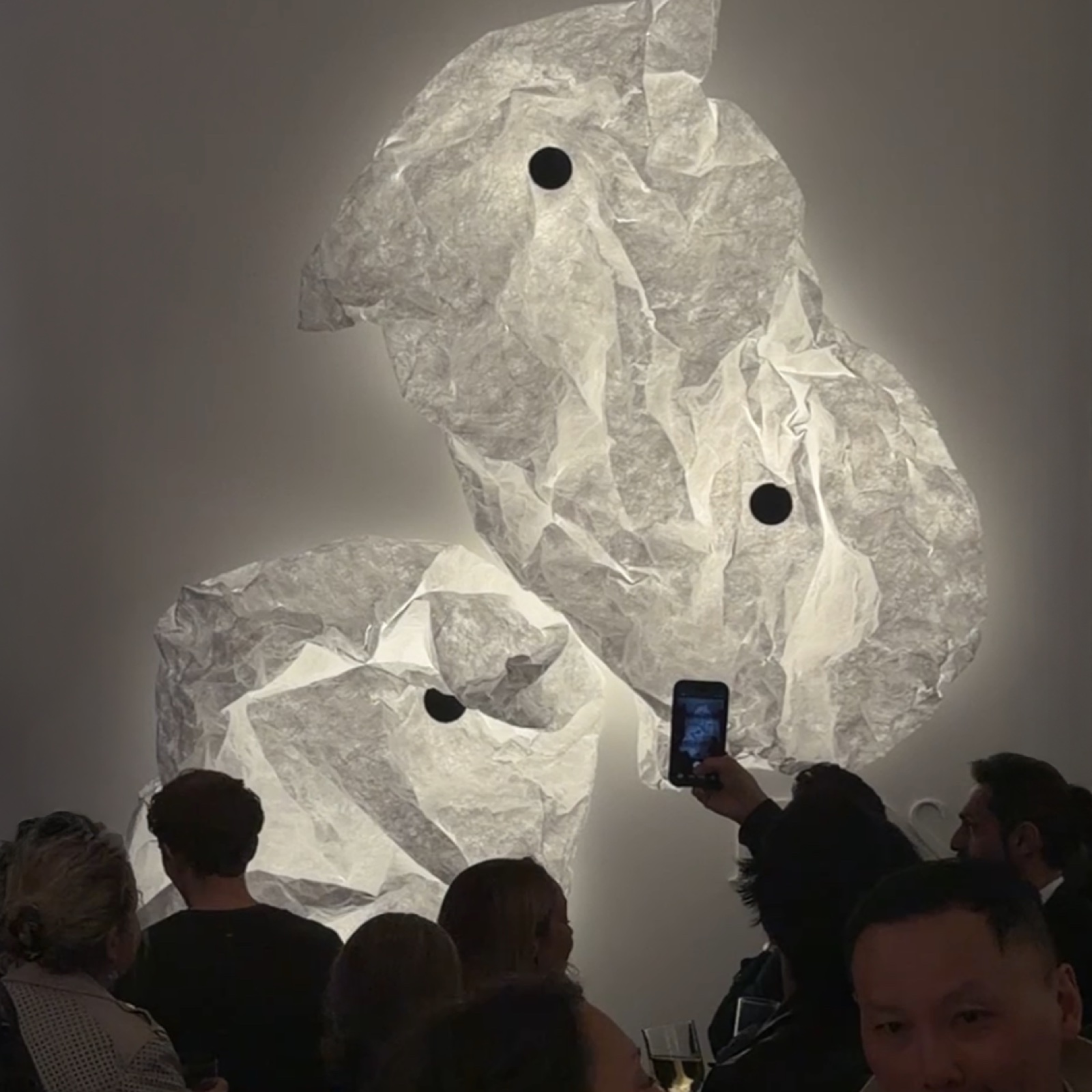
During this year's NYCxDesign, as usual, I overcommitted and I made peace with missing most of it. I did get to pop around to some very cool interior reveals, fashion pop-ups (an industry that's close to the heart, with only a smidge of trauma) and galleries, I even met a fellow mermaid and designer, Rolly Robinson, founder of Isshi, an incredibly unique jewelry brand. If there are any mermaids reading, it's a must to check out.
Here's my POV sitting at the intersection of Brand & Design, and a few unique events that stood out to me.
The AI Summit, Cornell Tech
Some key themes gathered from some of the best creative minds across a multitude of industries, some that particularly resonated with me. Don't miss out and give them a follow.
- Jess Greco, VP, Product Experience Design, Mastercard
- Shani Sandy, VP, Experience Design, IBM
- Will Hall, Partner & CTO, PreSeason
- Mark Kingsley, Founder, Malcontent
- Behnaz Farahi, Research group lead, Critical Matter & Assistant Professor, MIT
- Alejandro Chavetta, Executive Creative Director, Brand, Adobe
- Debbie Millman, Host of Design Matters
- Phil Gilbert, Former VP of Design, IBM
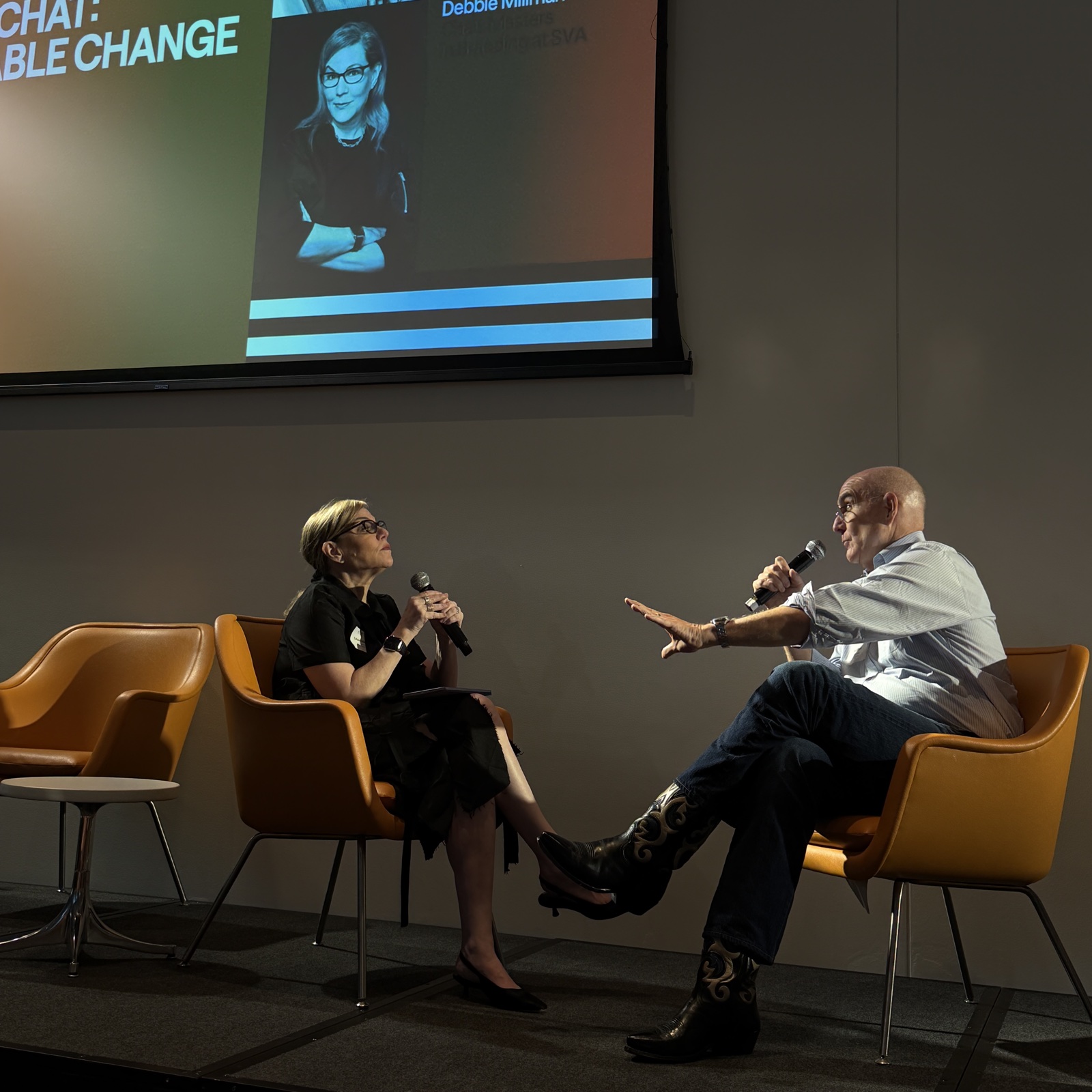
1. Redefining the Creative & the Brand in the Age of AI
Challenging traditional definitions of design, framing AI not as software but as an environmental reality.
- AI is a “Condition”: rather than viewing AI as an isolated tool or a copilot, we should treat it as an environment we inhabit. It reshapes our relationship to our life, work, and relationships. This simply means we must anchor back to human psychology, and physical presence.
- The Threat of Cultural Flattening: AI risks homogenizing design, language, and brand expression because it pulls from aggregated past data. To fight this flattening, creators must intentionally build a new visual and conceptual language rooted in raw intuition.
2. Theoretical Frameworks: Human vs. Artificial Cognition
Using advanced cognitive and design principles to contrast human sensory experiences with artificial generation.
- Neuroaesthetics: this field studies how design elements trigger specific neurological and emotional responses. Applying neuroaesthetics to product and AI design allows creators to intentionally build emotional resonance into digital spaces.
- Material Thinking vs. Representational Thinking: AI specializes in representational thinking (mimicking images and symbols), while humans excel at material thinking (understanding physical reality, raw texture, and bodily context).
- Anthropomorphism & Privacy: the discussion highlighted our psychological tendency to project human traits onto objects (anthropomorphism) and questioned our empathy boundaries, specifically, why we protect human privacy fiercely but grant data freedoms to artificial systems.
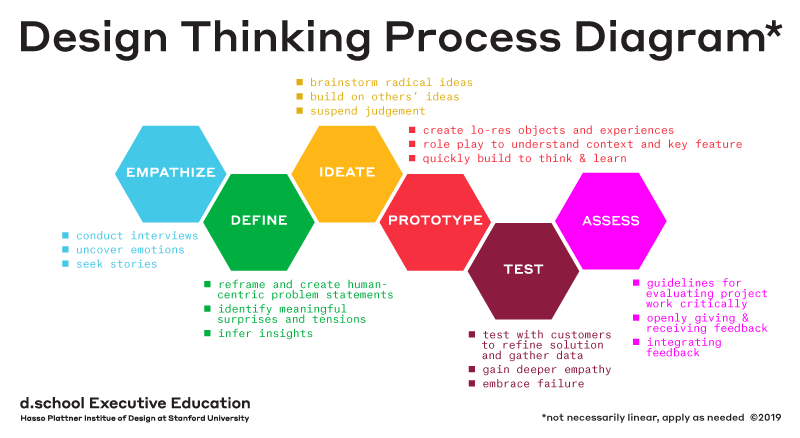
- The Stanford Design Model: standard design-thinking models begin with deep human empathy. In an automated landscape, the designer's primary responsibility shifts to acting as an advocate for the end-user's emotional and psychological well-being.
3. The Counter-Intuitive Value of Hesitation and Slowness
A major critique of current tech culture was its obsession with frictionless speed.
- Speed as a Threat: Silicon Valley's obsession with shipping MVPs (minimum viable products) too early leads to premature product releases. This hyper-acceleration risks outrunning human cognitive processing limits.
- The Power of Hesitation: removing all friction to maximize transaction speed isn't always optimal. Intentionally designed moments of hesitation create space for reflection, critical thought, and authentic emotional connection. Hesitation should be reframed as a deliberate design asset rather than a UX defect.
- “Wetware” Integration: true creative breakthroughs happen at the intersection of hardware, software, and human brain matter (“wetware”). Preserving human agency means prioritizing time to simply step away, experiment, and learn.
The skill the room kept circling back to was storytelling, and a big role of the designer of the future will be to simplify complexity through it. That's the muscle every creative needs to develop.
Will Hall brought up a question I came with: what does the role of the designer look like as we all have a feeling of displacement? Are designers becoming refiners (polishing what the machine produces) or advocates (arguing for what's worth making in the first place)? The honest answer is both. The good ones will know which mode to be in at any given moment.
A Visit to Rolls-Royce Private Offices
Another event that was particularly special was a fireside chat at the Rolls-Royce Private Office with Domagoj Dukec, Director of Design at Rolls-Royce. A breath of fresh air and a glimmer of hope for the seemingly fleeting craft and artisanship of our time.
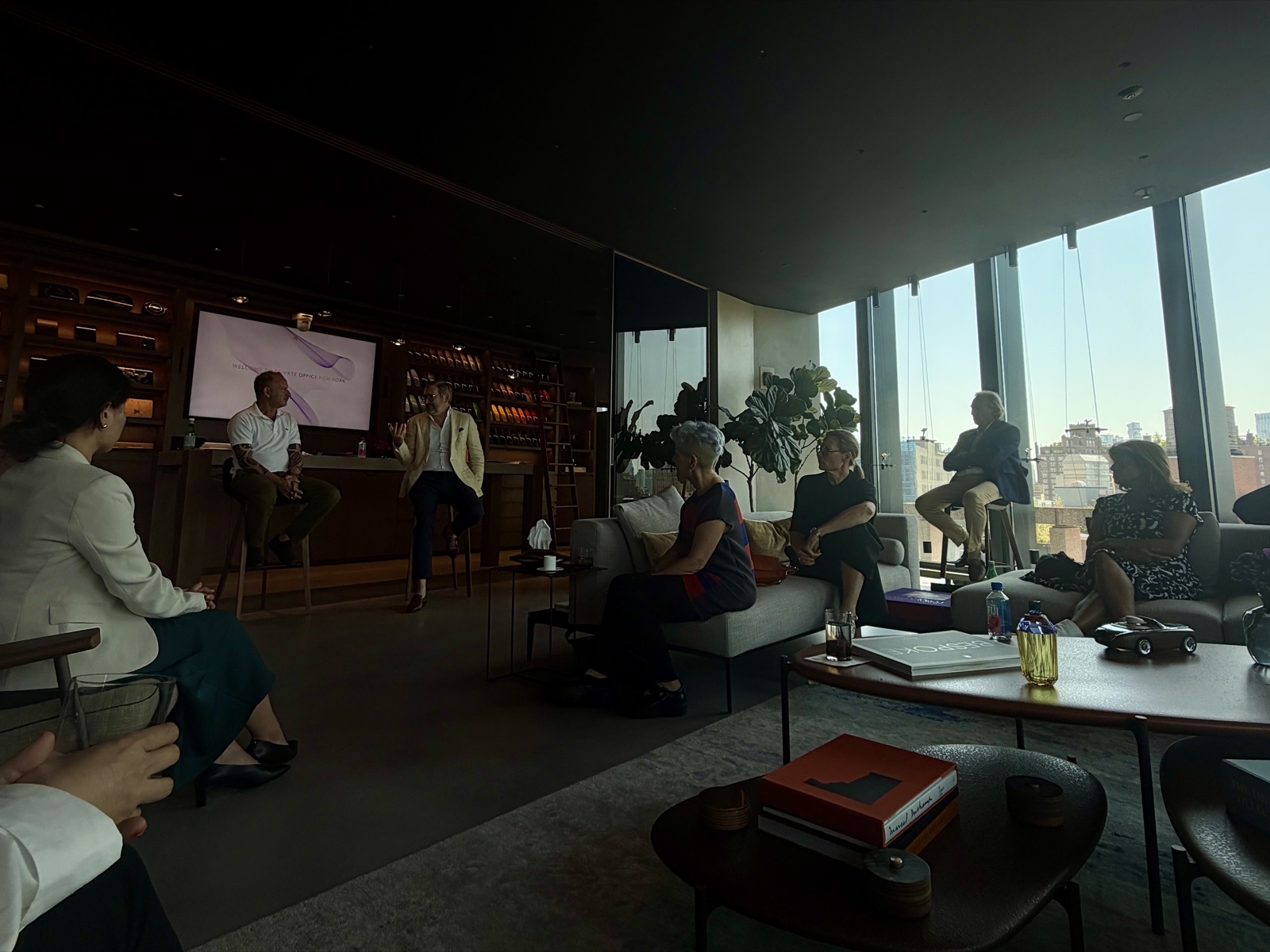
The contrast was almost funny. No AI talk, no slides on optimizing your prompt. Just a brand that makes ~5,000 cars a year, each one obsessed over, and a leadership team committed to ensuring exclusivity, unmatched service, and the ultimate personalization.
Rolls-Royce delivered 5,712 cars in 2024, its third-best year ever, while revenue held roughly flat at about £979 million and pre-tax profit rose to £134.7 million, up from £128.8 million the year before. So volume dipped but profit grew, the textbook signature of value moving from execution to craft. (BMW Blog, MotorBuzz)
They're not pretending AI doesn't exist. They've simply decided their business is heritage and craft, and they're letting that be the differentiator. It's why they keep the exquisite knobs and buttons instead of smoothing everything into emotionless screens and panels. The friction is the point, which is the summit's argument made physical.
The Loose Connection
The AI Summit and the fireside chat at Rolls-Royce were pointing at the same thing from opposite ends.
- One side said: when execution becomes a commodity, taste, story, and cultural reference become the currency.
- The other side said: we already knew that, which is why we never let go of craft in the first place.
Both are right. Both suggest that the designers, strategists, and brand people who matter in the next few years will need to do two things at once:
- Use AI fluently enough to decide what parts of the job to automate.
- And double down on the story (brand), the reference (culture), and craft (design).
In a world getting easier to falsify, fine art, storytelling, and genuine artisanship will be valued more, not less. And I don't mean this in a nostalgic way, it's a market correction.
Closing Thought
The overall mood was optimistic. We've been through industrial and technological revolutions before, and we'll get through this just as we have the others, as long as you stay agile, stay curious, and put in the time to read the market and understand where you can up-skill and step up to be a better well-rounded creative.
So here's what I'm taking with me.
- Develop the storytelling muscle.
- Get closer to the business; learn to be a creative with true business acumen.
- Keep a foot in craft, even if your day job is prompting and pixel pushing.
When execution is automated, the edge is the blend of taste, cultural reference, the ability to speak your stakeholders' language, and the EQ to read the room.